What Is NAD+?
Nicotinamide adenine dinucleotide (NAD+) is an essential coenzyme present in virtually all living cells. It exists in two forms—oxidized (NAD+) and reduced (NADH)—and plays a critical role in transferring electrons during metabolic reactions. Due to its involvement in cellular energy generation and enzyme function, NAD+ is widely recognized as a key component of cellular metabolism and biological regulation.
How Has NAD+ Been Studied?
NAD+ has been extensively investigated through a variety of research models and scientific approaches.
-
In vitro studies have examined the interactions between NAD+ and enzymes such as sirtuins, PARPs, and other proteins involved in cellular maintenance.
-
Animal research has explored changes in NAD+ concentrations during aging, metabolic stress, dietary interventions, and environmental challenges.
-
Human studies frequently evaluate NAD+ levels and related metabolites, particularly in research involving NAD+ precursors such as nicotinamide riboside (NR) and nicotinamide mononucleotide (NMN).
(Reference: Covarrubias et al., 2021)
Key Roles of NAD+ in Cells
Research has identified several important functions performed by NAD+ within biological systems:
-
Energy Production – Functions as a vital cofactor in metabolic pathways including glycolysis, the tricarboxylic acid (TCA) cycle, and oxidative phosphorylation.
-
DNA Repair – Serves as a required substrate for PARP enzymes involved in the detection and repair of DNA damage.
-
Gene Regulation – Supports the activity of sirtuin enzymes, which participate in regulating gene expression and chromatin organization.
-
Cellular Stress Response – Contributes to biological defense mechanisms that help cells respond to oxidative, metabolic, and environmental stressors.
(Reference: Canto et al., 2015)
What Researchers Have Observed
Scientific investigations over recent decades have revealed several recurring observations regarding NAD+ biology:
-
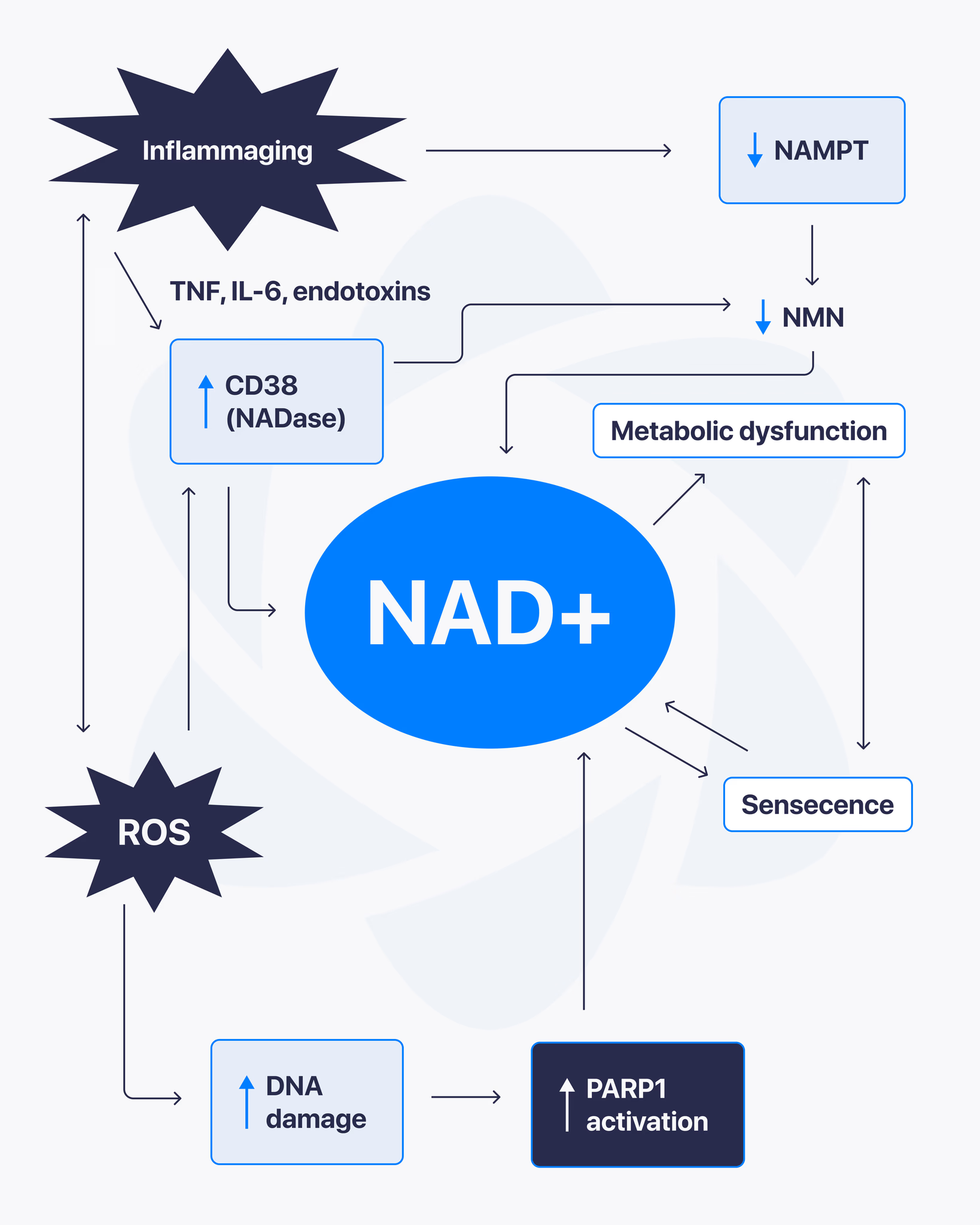
Age-Related Changes – Studies have reported gradual reductions in NAD+ levels across various tissues in both animal models and humans as they age.
-
Tissue-Specific Differences – NAD+ concentrations vary considerably between organs, with energy-demanding tissues such as the brain, liver, and skeletal muscle often displaying higher requirements.
-
Responses to Precursors – Research involving NR and NMN supplementation has documented increases in NAD+-related metabolites, although outcomes differ depending on dosage, duration, and study design.
-
Metabolic Adaptability – Factors such as nutrition, exercise, and environmental stress can influence NAD+ turnover, highlighting its role as a dynamic regulator of cellular metabolism.
(Reference: Yoshino et al., 2018)
References
All products sold by Direct Peptides are intended strictly for laboratory research use only. They are not approved for human or animal consumption, medical treatment, or therapeutic applications. The information provided on this website is for educational and informational purposes only.