
Longevity Peptides: GLP-1 and SS-31 Evidence for Clinicians
No peptide has proven to extend human lifespan. GLP-1s and SS-31 show the clearest clinical evidence; learn the real risks, FDA status, and safe sourcing.
 21+ verification
All products are sold strictly for laboratory research use only and are not for human or animal consumption. You must be 21 or older to enter.
By entering you accept the research-use-only terms and confirm you are a qualified buyer.
No peptide has proven to extend human lifespan. GLP-1s and SS-31 show the clearest clinical evidence; learn the real risks, FDA status, and safe sourcing.

Practical primer for QC scientists on USP/Ph. Eur. sterility testing methods: 14 day incubation, B&F checks, isolator tradeoffs, sampling rationale, and…
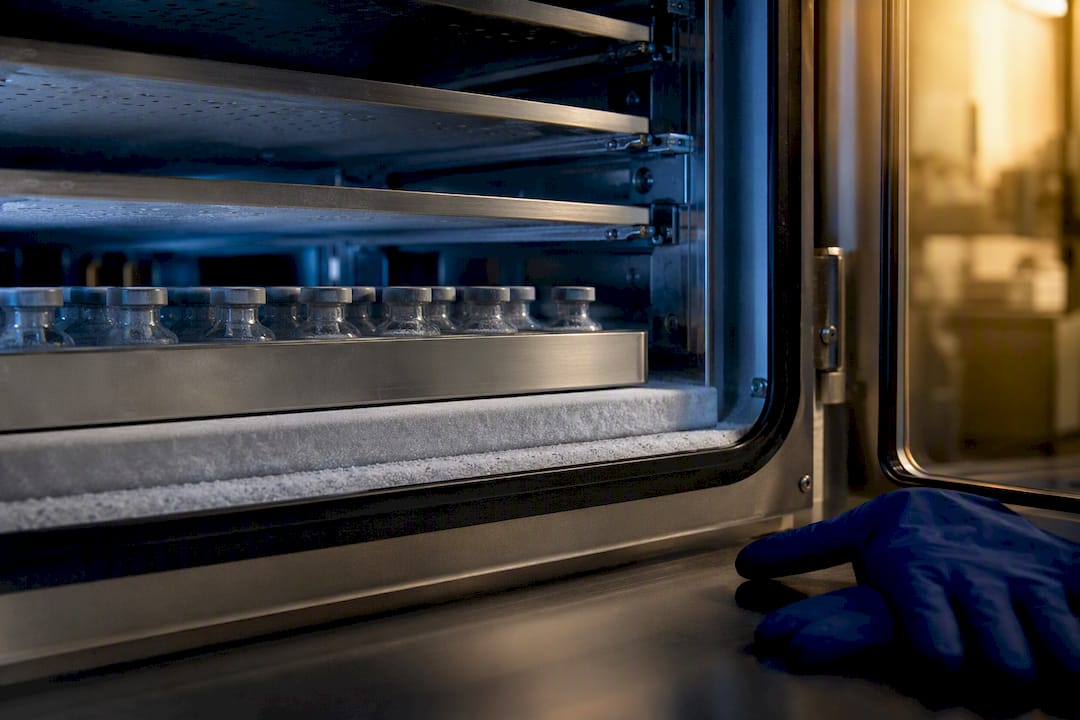
Lyophilization process primer for peptide labs. Learn stage controls, Kv/Rp and PAT monitoring, 20–40 hour drying cycle guidance, and Synthrolab storage…

Evidence-first review for researchers: a 36 patient report found roughly halved hospital mortality. Study limitations, plus practical lab sourcing and QC…

Bench-ready guide for researchers on AMPK activators: ADaM versus nucleotide mechanisms, five lab tests to classify activity, isoform selectivity and…
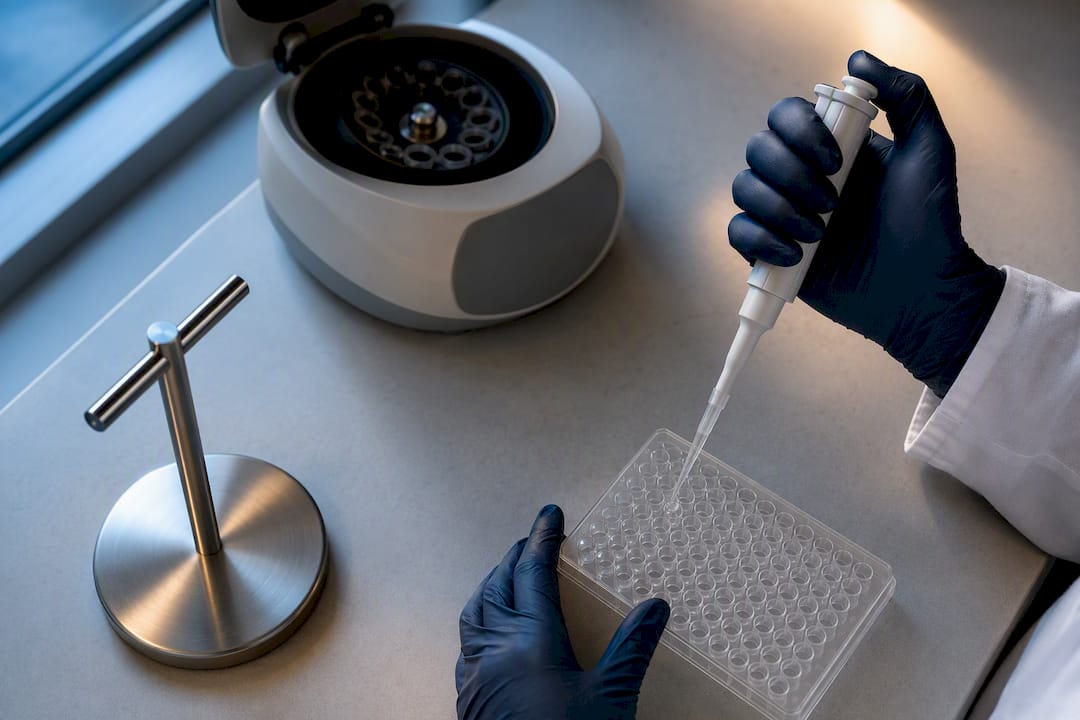
Mechanism-first guide for researchers on mitochondrial peptides: actionable PK/PD, assay, COA and sourcing checklist to run reliable translational studies.
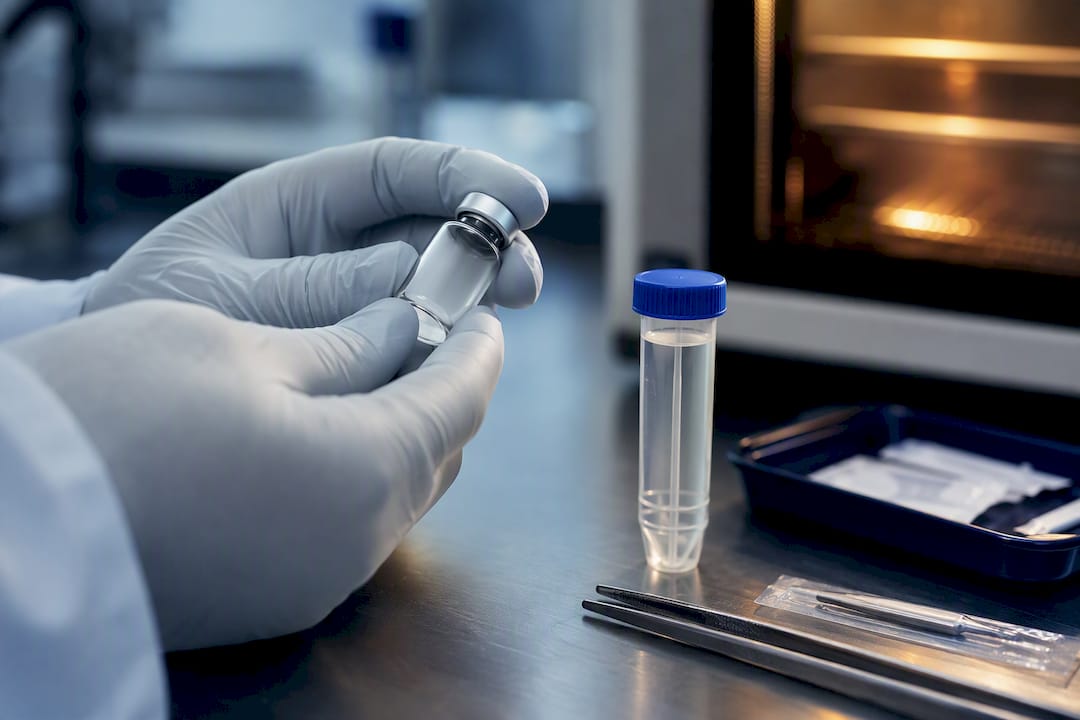
What USP requires for peptide sterility: 14 day incubation in two media, validated method suitability, COA proof, and reconstitution steps…
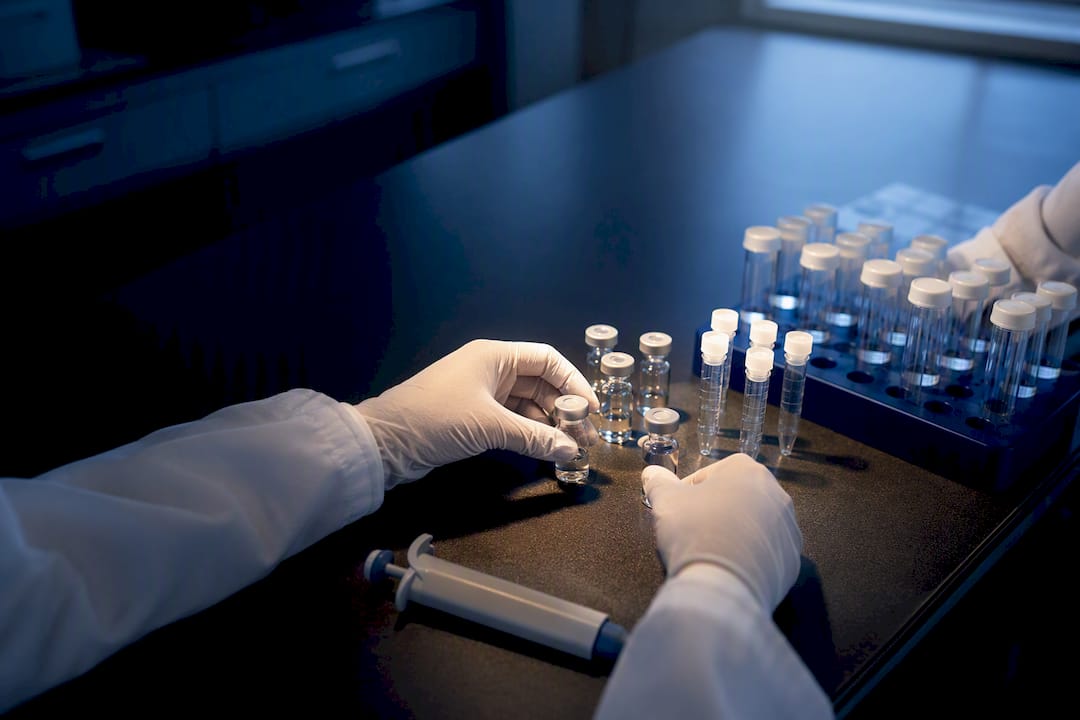
Evidence-first primer for researchers on CJC-1295 DAC: human PK/PD (6–8 day half-life, GH 2–10x, IGF-1 1.5–3x), COA/mass-spec verification and sourcing…
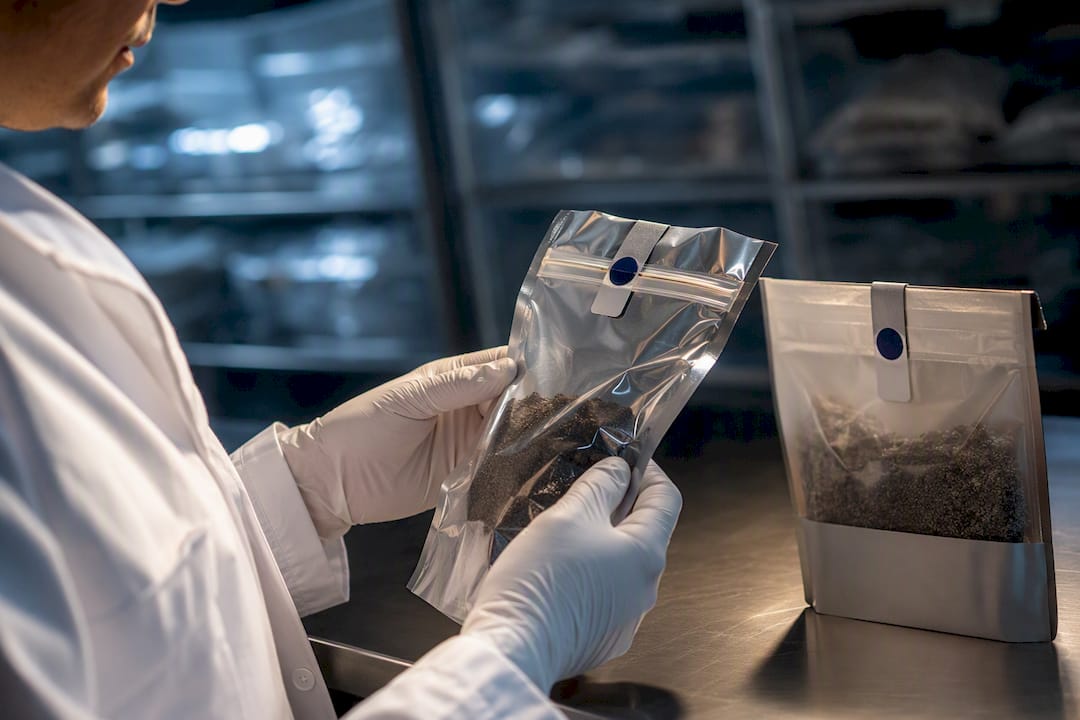
How researchers and buyers verify third party testing: match COAs to lots, confirm accreditation scope, and spot red flags.
