Gut health peptides are short chains of amino acids that directly regulate digestive tissue repair, inflammation control, and gut barrier integrity. The most studied gut health peptide examples include BPC-157, KPV, Larazotide acetate, and GLP-2 (teduglutide), each with distinct mechanisms and evidence bases. These compounds work at the cellular level, targeting tight junctions, immune signaling, and mucosal healing. Research into these peptides has accelerated significantly, with one FDA-approved option and several others advancing through clinical trials. Understanding how each peptide works helps you make informed decisions about digestive wellness.
1. Gut health peptide examples: the top four compounds
BPC-157, KPV, and Larazotide acetate are the primary peptides discussed in gut wellness, each with a distinct evidence base and delivery method. GLP-2 (teduglutide) rounds out the top tier as the only FDA-approved option. Here is what each one does and why it matters.
BPC-157
BPC-157 is a 15 amino acid pentadecapeptide with extensive preclinical data supporting mucosal healing and gastric tissue repair. It remains stable in gastric acid, which gives it a practical advantage for oral delivery. Most of its evidence comes from animal models, where it consistently reduces gut inflammation and accelerates healing of the intestinal lining.

KPV
KPV is a tripeptide with a molecular weight of approximately 340 Da. Its small size allows oral uptake via PepT1 transporters in the gut epithelium. This pharmacokinetic advantage concentrates KPV’s anti-inflammatory effects directly in gut epithelial and immune cells, making it one of the most practical orally active peptides for digestive inflammation.
Larazotide acetate
Larazotide acetate targets tight junction proteins that control intestinal permeability. It has completed a Phase IIb randomized controlled trial with 342 patients, demonstrating symptom improvements over placebo in celiac disease. No other research peptide in this category has reached that level of human trial evidence.
GLP-2 (teduglutide)
GLP-2 is a naturally occurring gut peptide that promotes intestinal barrier repair and nutrient absorption. Teduglutide, its synthetic analog, requires daily injection and carries significant cost. Phase III trials show it reduced parenteral nutrition need in 64% of short bowel syndrome patients, making it the gold standard for structural gut repair in clinical settings.
Pro Tip: If oral delivery matters to you, prioritize KPV or BPC-157. Both absorb without injection, while GLP-2 analogs require subcutaneous administration.
2. How gut peptides interact with the microbiome
The gut is the largest peptide-producing organ in the human body. It secretes hormones like GLP-1, PYY, and defensins that regulate digestion, appetite, and immune defense. This makes the gut a two-way system: your microbiome shapes peptide output, and peptides in turn shape your microbiome.
Microbial breakdown of dietary fiber produces short-chain fatty acids (SCFAs). These SCFAs trigger the release of peptide hormones like GLP-1 and PYY, which influence appetite and gut motility. A fiber-poor diet reduces SCFA production, which directly suppresses these beneficial peptide signals.
GPR15L is a lesser-known antimicrobial peptide produced by colonic epithelial cells. High GPR15L expression correlates with flare-free survival in inflammatory bowel disease. Murine studies show that GPR15L supplementation modulates microbiome composition and reduces colitis severity, pointing to a direct link between antimicrobial peptides and gut disease outcomes.
Peptide degradation by digestive enzymes remains a real challenge. Larger peptides like GLP-2 break down before reaching target tissue when taken orally. This is why molecular size and gastric stability determine delivery method. KPV and BPC-157 survive the digestive environment; most others do not.
Pro Tip: Support your microbiome with fermentable fiber before adding exogenous peptides. A healthy microbial environment improves the peptide hormone signaling your gut already produces naturally.
3. Evaluating clinical evidence and safety
The regulatory and evidence gap between gut peptides is wide. Teduglutide holds FDA approval backed by Phase III human trials. Every other peptide in this category, including BPC-157 and KPV, lacks completed human RCT data. That distinction matters when assessing risk and setting expectations.
Larazotide sits closest to approval. Its Phase IIb trial with 342 patients produced measurable symptom score improvements in celiac disease, but it remains off-label. No approved dosing protocol exists for general use. Researchers and clinicians working with larazotide operate outside formal prescribing guidelines.
BPC-157 and KPV show strong signals in preclinical models, but animal data does not always translate to humans. Safety profiles for these compounds are not fully characterized in clinical populations. Dosing uncertainties are real, and individual responses vary based on gut condition, microbiome status, and concurrent medications.
The practical takeaway is straightforward. Use teduglutide only under medical supervision for approved indications. Treat BPC-157, KPV, and larazotide as research compounds requiring professional guidance. Self-dosing without clinical oversight carries risks that current evidence cannot fully quantify.
4. Selecting the right peptide for your digestive needs
Symptom-based peptide selection produces better outcomes than choosing a compound based on general popularity. Each peptide targets a different mechanism, so matching the compound to the condition is the most logical approach.
-
Inflammation and immune overactivation: KPV is the first choice. It concentrates anti-inflammatory activity in gut epithelial and immune cells via PepT1 transport. Conditions like Crohn’s disease and ulcerative colitis fit this profile.
-
Structural barrier repair and nutrient absorption: GLP-2 (teduglutide) addresses these needs most directly. It promotes intestinal growth and reduces permeability at the structural level. Short bowel syndrome and severe mucosal damage are its primary targets.
-
Enteric nervous system and motility issues: BPC-157 works through eNOS pathways and the enteric nervous system, distinct from inflammatory or epithelial repair mechanisms. Gut dysmotility, gastroparesis, and nerve-related digestive dysfunction respond to this mechanism.
-
Tight junction integrity and celiac disease: Larazotide acetate targets the proteins that hold intestinal tight junctions together. It is the most clinically studied option for reducing intestinal permeability in celiac disease specifically.
-
Stacking peptides: Complementary mechanisms make certain combinations logical. BPC-157 paired with KPV addresses both motility and inflammation simultaneously. Personalized stacking based on symptom patterns and, where available, genetic markers produces the most targeted approach.
Pro Tip: Start with one peptide and track symptoms for four to six weeks before adding a second compound. Stacking too early makes it impossible to identify which peptide is producing results.
Key takeaways
Gut health peptides work best when matched to specific mechanisms: inflammation, barrier repair, motility, or tight junction integrity, with clinical evidence ranging from FDA approval to preclinical research only.
| Point |
Details |
| BPC-157 for motility |
Works via eNOS and enteric nervous system pathways; best for gut dysmotility and nerve-related issues. |
| KPV for inflammation |
Uses PepT1 oral transport to concentrate anti-inflammatory effects in gut epithelial and immune cells. |
| Larazotide for permeability |
Completed Phase IIb trials with 342 patients; most clinically advanced research peptide for tight junction repair. |
| Teduglutide is the only approved option |
FDA-approved for short bowel syndrome; all other gut peptides remain research compounds without approved dosing. |
| Match peptide to symptom |
Symptom-based selection outperforms general use; stacking requires sequential introduction to isolate effects. |
What I’ve learned from watching peptide research evolve
The conversation around gut health peptides has matured considerably. A few years ago, BPC-157 was discussed almost exclusively in bodybuilding circles. Now researchers and integrative clinicians are taking it seriously as a tool for mucosal healing and enteric nervous system support. That shift reflects real progress, but it also brings a risk: people start treating preclinical data as clinical proof.
The honest picture is that only teduglutide has earned full regulatory approval. Everything else, including KPV and larazotide, operates in a research context. That does not make them useless. It means you need to hold the evidence at the right level of confidence. Larazotide’s Phase IIb results are genuinely promising. KPV’s oral bioavailability via PepT1 is a real pharmacokinetic advantage. But neither compound has a finalized dosing protocol backed by large-scale human trials.
What I find most overlooked is the microbiome foundation. Peptides do not work in isolation. The gut microbiome interaction with peptide hormone release means that a disrupted microbiome can blunt the effects of even well-chosen compounds. Fiber intake, fermented foods, and avoiding unnecessary antibiotics all support the microbial environment that makes peptide therapy more effective.
My practical advice: treat these compounds as part of a broader digestive health strategy, not as standalone fixes. Work with a clinician who understands peptide pharmacology. And resist the urge to stack multiple compounds before you understand how your gut responds to one.
— Mitch
Research-grade gut peptides at Synthrolab
Synthrolab supplies research-grade peptides for investigators studying cellular signaling, gut repair, and metabolic pathways. The catalog includes BPC-157 10mg for mucosal healing research and combination stacks designed for tissue regeneration protocols.
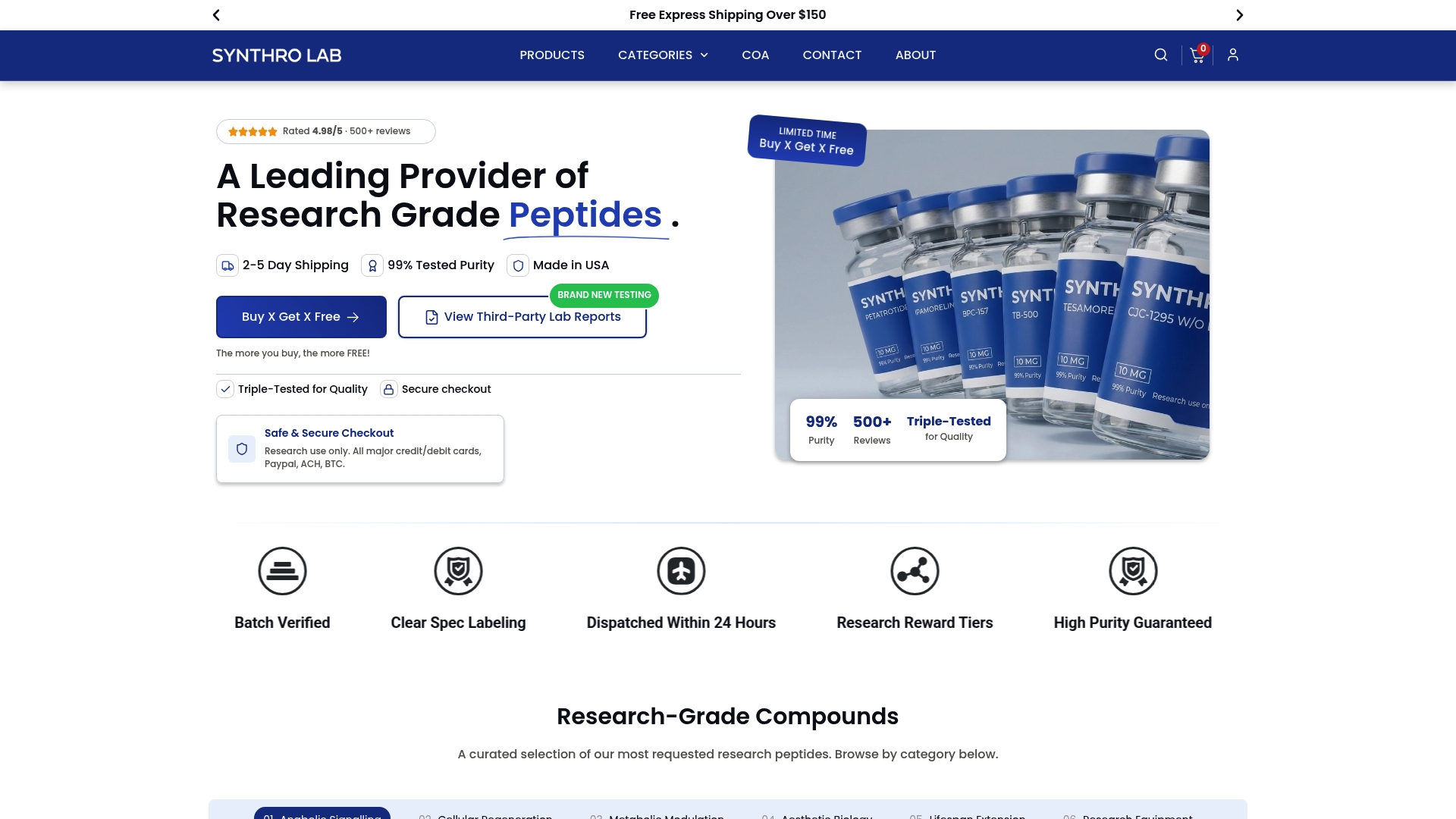
Researchers exploring gut barrier repair and enteric nervous system mechanisms will find relevant compounds across Synthrolab’s cellular regeneration category. Every product ships with a Certificate of Analysis, and Synthrolab’s quality standards are detailed on the reasons to choose Synthrolab page. For the full catalog of gut health and metabolic peptides, visit Synthrolab.
FAQ
What are the best peptides for gut health?
BPC-157, KPV, Larazotide acetate, and GLP-2 (teduglutide) are the most studied gut health peptides. Teduglutide is the only FDA-approved option; the others remain research compounds with strong preclinical or early clinical data.
How do gut peptides work?
Gut peptides act on specific receptors and transporters in the intestinal lining to reduce inflammation, repair tight junctions, and support mucosal healing. KPV uses PepT1 transporters for oral absorption; BPC-157 works through eNOS and enteric nervous system pathways.
Can gut peptides be taken orally?
KPV and BPC-157 are orally active due to their small molecular size and gastric stability. GLP-2 analogs like teduglutide require daily injection because larger peptides degrade before reaching target tissue when swallowed.
What is the difference between BPC-157 and KPV?
BPC-157 is a 15 amino acid peptide that targets the enteric nervous system and motility pathways. KPV is a tripeptide that concentrates anti-inflammatory effects in gut epithelial and immune cells, making it better suited for inflammatory conditions like Crohn’s disease.
Are gut health peptides safe?
Teduglutide has a well-characterized safety profile from Phase III trials. BPC-157 and KPV have strong preclinical safety signals but lack human RCT data. Professional consultation is required before using any research peptide for digestive health purposes.
Recommended
 21+ verification