Sale!
1234+ reviews
Batch verified Verified
Tracked shipping Tracked
Protected

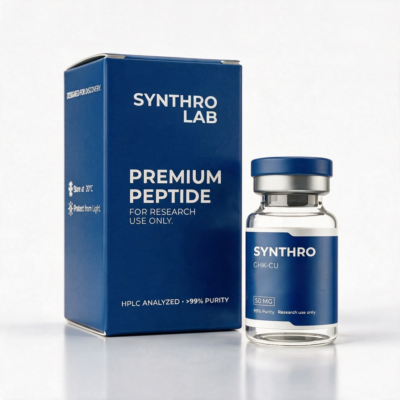
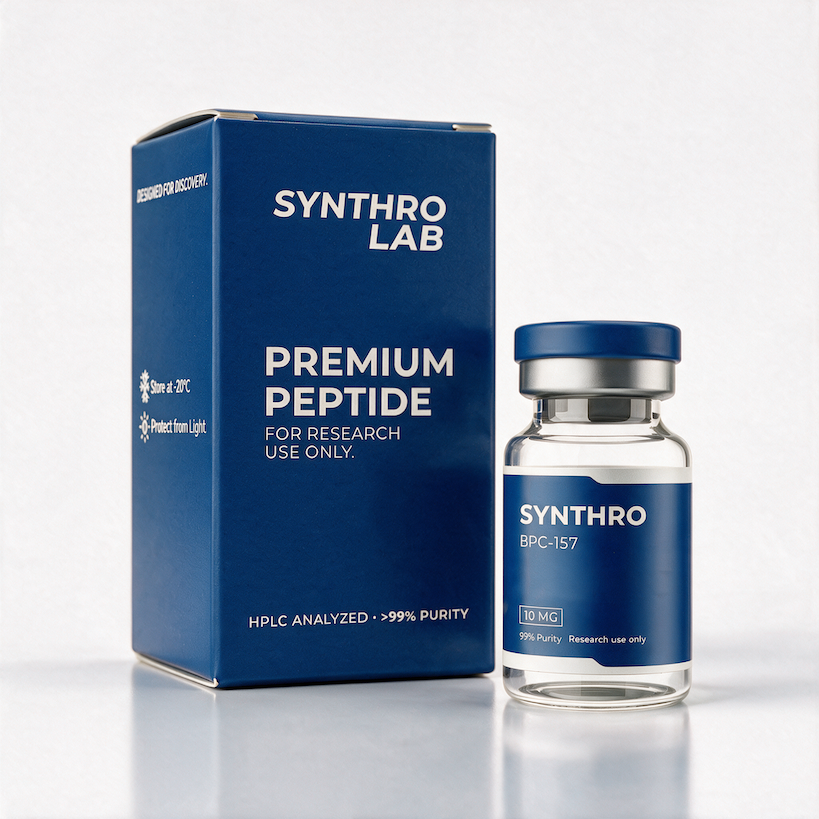
BPC-157 10mg

Original price was: $114.99.Current price is: $84.99.

BUY X GET X FREE
NO CODE REQUIRED

A stable gastric pentadecapeptide fragment derived from body protection compound, investigated for its cytoprotective and angiogenic properties across multiple tissue-repair research models. For research use only.

Bundle & Save
:
:
Ships by Thursday, April 16
Visa Icon Master Card Icon Amex Card Icon Discover Card Icon
Paypal Icon Bank Icon
The more you buy, the more FREE!
LIMITED TIME OFFER
30-day money-back guarantee
Orders placed today are expected to arrive Apr 18 - Apr 20
Purchased Apr 16
Processing Apr 16 - Apr 17
Delivered Apr 18 - Apr 20
i

Buyer Protection & Quality Assurance

Every order is backed by full reship or refund coverage, including international shipments. All products are produced under documented lab procedures and ship with batch-verified COAs — what’s on the label is exactly what’s in the vial.

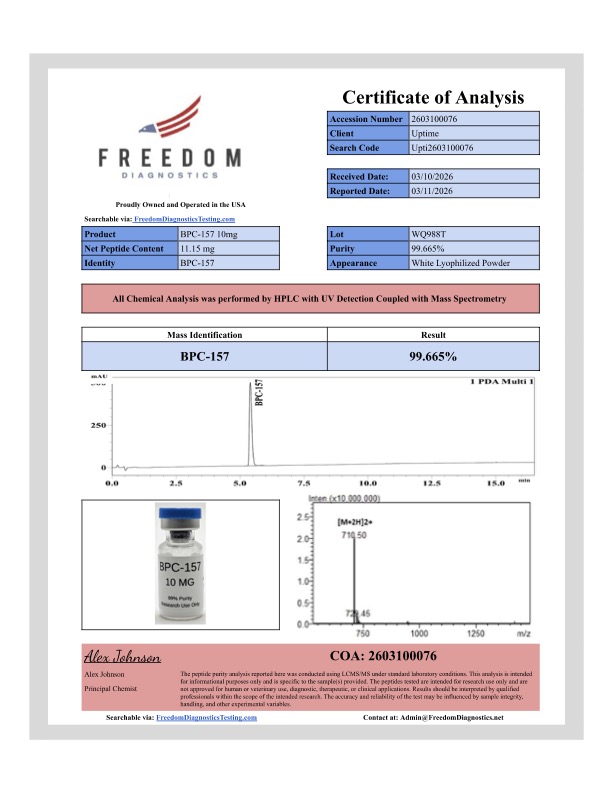
CONTENT & PURITY COA

Quantity: 11.87 mg

Purity: 99.96%

ENDOTOXIN COA

Result per Vial: 1.158 EU/Vial

Result per mg: 0.1158 EU/MG

Report Image

Description

This 15-amino acid peptide sequence, derived from human gastric juice protein BPC, has been stabilized for in vitro and in vivo research applications exploring tissue repair mechanisms. It serves as a key reagent for studying VEGFR2-mediated angiogenesis and nitric oxide system modulation in wound-healing assays. For research use only.

  • VEGFR2 Pathway Activation: Investigated for its role in stimulating collateral vessel formation and endothelial cell proliferation via the VEGFR2-Akt-eNOS signaling cascade.
  • Nitric Oxide System Modulation: Studied for bidirectional regulation of the NO system, including interactions with NOS blockade and L-arginine analog pathways in vascular models.
  • Tendon & Ligament Repair Kinetics: Explored for fibroblast migration enhancement and collagen fiber realignment in musculoskeletal connective tissue repair assays.

Reviews

There are no reviews yet.

Only logged in customers who have purchased this product may leave a review.

Always quality-tested, verified with third-party COAs

Every Synthro Lab batch is independently screened for identity, purity, and endotoxins before it ever leaves our facility. No lot is released until it meets our research-grade threshold and clears third-party verification — documented in a COA that ships with every order.

The result is simple: no guesswork, no surprises — just material you can build your research on.

Identity Test

Passed

Verifies the peptide’s sequence and structure so the correct compound is present in each vial.

Purity Test

Passed

Measures purity and concentration to confirm ≥99% purity on qualifying batches.

Sterility Test

Passed

Screens for bacteria, fungi, and other microorganisms to verify sterile handling.

Endotoxicity

Passed

Tests for lipopolysaccharides (LPS) to ensure endotoxin levels stay within research limits.

Commonly asked Questions by Researchers

Everything you need to know before you order — batch verification, COA documentation, storage conditions, and handling guidelines, all in one place.

Each Synthro Lab batch goes through HPLC and mass spectrometry analysis to confirm identity and purity — nothing ships until it clears our verification process.

Absolutely. Every product ships with a batch-specific COA that includes identity confirmation, purity data, and endotoxin results for full research traceability.

All peptides arrive as lyophilized powder in individually sealed vials, clearly labeled with the peptide name, lot number, and quantity.

We target ≥98% purity by HPLC across our entire catalog. The exact value for each batch is documented on the COA — no approximations.

Unopened vials should be kept sealed, away from light and humidity, and stored refrigerated or frozen per the guidelines listed on the COA.

Reconstituted peptides should be aliquoted and stored under refrigerated or frozen conditions to preserve stability and reduce the number of freeze–thaw cycles.

It depends on the peptide, but lyophilized vials stored correctly are stable long-term. Check the COA for batch-specific stability and expiry information.

Certificates of Analysis
Report Image